11 must-see birds in Peru for everyone!

by Gunnar Engblom on April 11, 2009

Social Media for birders - start January 10

Hi and thanks for the visit. If you're new here you may want to subscribe to my feed.

Why birds?

Birdwatching is a specialized hobby. The birdwatchers aim to see hundreds of birds during a holiday in Peru. However, there are certain birds that transcend to more normal tourists. Some birds that you don't have to be a birdwatcher to appreciate. Those birds that will leave an impact on anyone who lays eyes on them. These kinds of birds become banner species and tourist attractions and could be decisive to turn a non-birder into a birder. They are also important for conserving habitat and supporting local small scale businesses which often give direct revenue to local communities. I hereby present the 11 most important birds in Peru as tourism attractions.

Condor

Andean Condor

Emblematic bird of the Andes. 100.000 people travel yearly to Colca Canyon near Arequipa to see the mighty Condor. Kolibri Expeditions have found a good viable population in Santa Eulalia canyon only 3 hours from Lima, which also is a good place to see this majestic bird. You'd be surprised to learn that most tourists that come to Peru, those that do not visit Colca or Santa Eulalia Canyon, will not see a condor in spite it being such a tremendously important symbol of Peru and the Andes. The closest they will get is hearing "Condor pasa" - the Peruvian song Simon and Garfunkel made world famous. At every little coffee shop to every fine restaurant in Cusco you will hear it played with panpipes and charrango. You cannot avoid it - not escape it!
Strangely enough Peru has yet to raise the awareness of the importance of the species for eco-tourism in other rural areas. As such it may become an important cash cow for communities. This would change the present situation in many places where the species is persecuted and seriously threatened.

Macaw-lick

Blue-and-Yellow Macaw & Scarlet Macaw. Photo: Tim RyanThere are two major macaw-licks in SE Peru where these giant parrots descend on sunny clay river cliffs to ingest the clay with thousands of other parrots. The best one that attracts 5 species of macaws is situated in the Tambopata area near Tambopata Research Center.  There is extremely important Macaw research going on here and you can help as a participant volunteer. See Tambopata Macaw Project. The other important one is downriver from Manu at Blanquillo near in vicinity of several lodges.

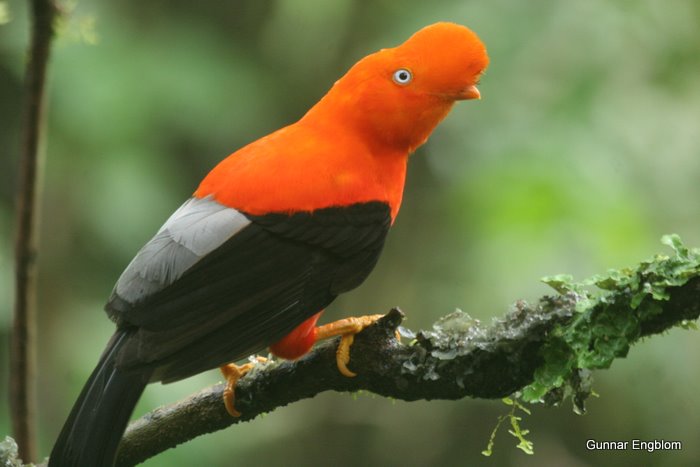
Andean Cock-of-the-Rock

Andean Cock-of-the-RockWow! Exclamation mark is necessary! This surreal member of the Cotinga family has a wide distribution from Venezuela to Bolivia. It is one of the most colorful birds of the Andes. The males gather in "lek" - displays - where the perform ritual dances and make noisy grunts and shrieks. In many places leks have become tourism attractions. The most famous is perhaps next to Cock-of-the-Rock Lodge, but there are several places in Central and Northern Peru where leks also can be seen. Locally, it has become good incentives to conserve forest. Since the cock-of-the-rock is also un-officially national bird of Peru kids all over the country learn to appreciate it. Only five years ago, when traveling in Central Peru inquiring where I could see it, I was directed to the zoo or a man that allegedly had stuffed ones for sale! Things have changed now.

Inca Tern

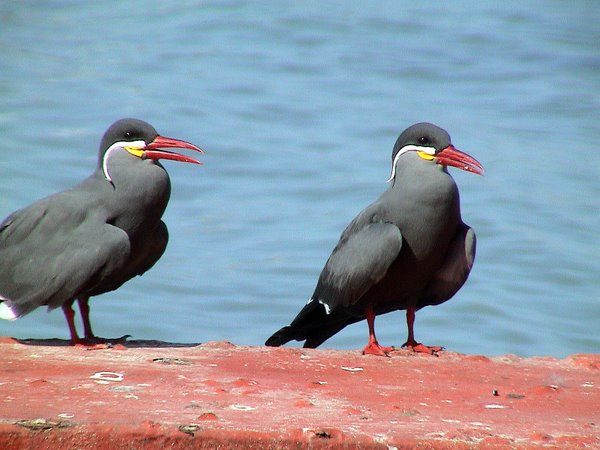
Inca Tern IncaternIts coral red bill and feet, and yellow and white waxy mustache on a slaty blackish body makes the Inca Tern the most beautiful Tern of the world.  This specialty of the Humboldt Current is not difficult to see in large numbers. In many places it can be approached for a photograph.  A spectacular event on the Lima pelagics is when the fish scrap leftover that is used to attract seabirds at the high sea is thrown out after the boat and up to a thousand Inca Terns come in to the stern.

Hummingbird feeders

Rufous-crested Coquette. Photo: Alex DuranWire-crested Thorntail

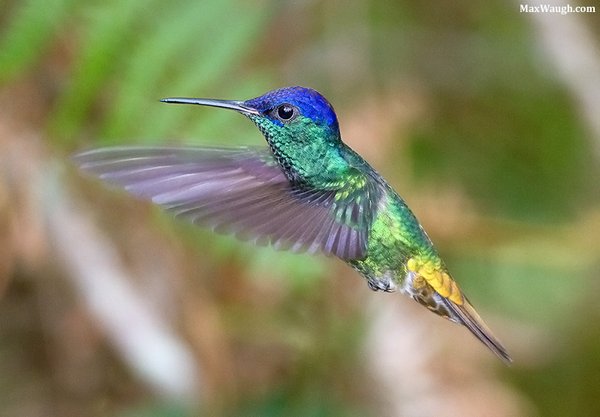
Peru has yet to develop more places with hummingbird feeders, but the ones available are truly spectacular. My favorites are the following.

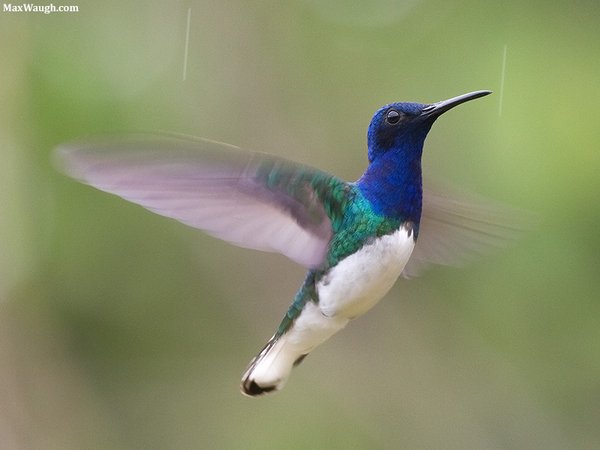
Amazonia Lodge at the bottom of Manu road, with specialties such as the rare Rufous-crested Coquette, Koepcke's Hermit and Gould's Jewelfront and another dozen of more common hummers such as White-necked Jacobin, Blue Emerald, Gray-breasted Sabrewing and Black-eared Fairy come to the garden with feeders and blue vervain in front of the ample porch of the main building..

Machu Picchu Pueblo Hotel the luxurious hotel with precious subtropical gardens decorated with orchids and bromeliads at the foot of Machu Picchu next to Aguas Calientes village. The hotel also have dozens of well maintained hummingbird feeders spread out in the compound open only to its guests. The specialties include Gould's Inca, White-bellied Hummingbird, Long-tailed Sylph, Chestnut-breasted Coronet and Booted Racket-tail.

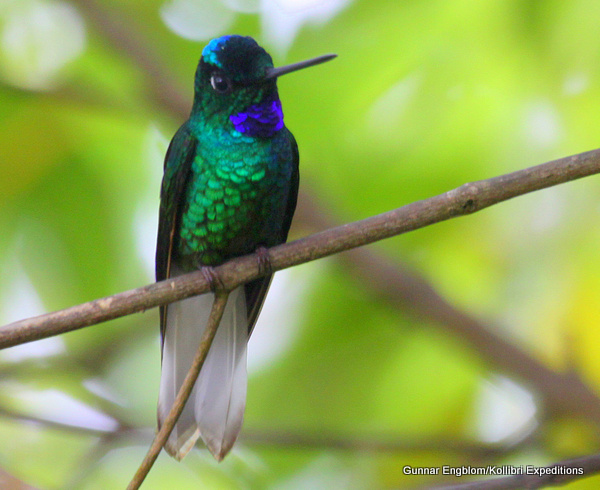
Cock-of the-Rock Lodge on the Manu road, has a open veranda dining room looking out to the garden where tanagers are fed and Blue Vervain and feeders attract the hummingbirds. The specialties include Violet-fronted Brilliant, Many-spotted Hummingbird, Wire-crested Thorn-tail, Booted Racket-tail and many more.

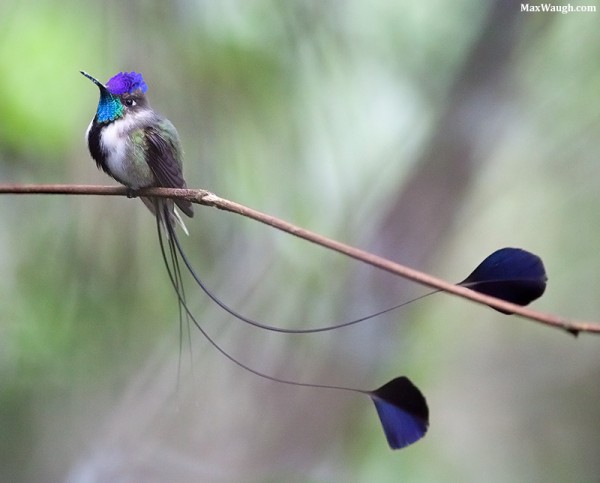
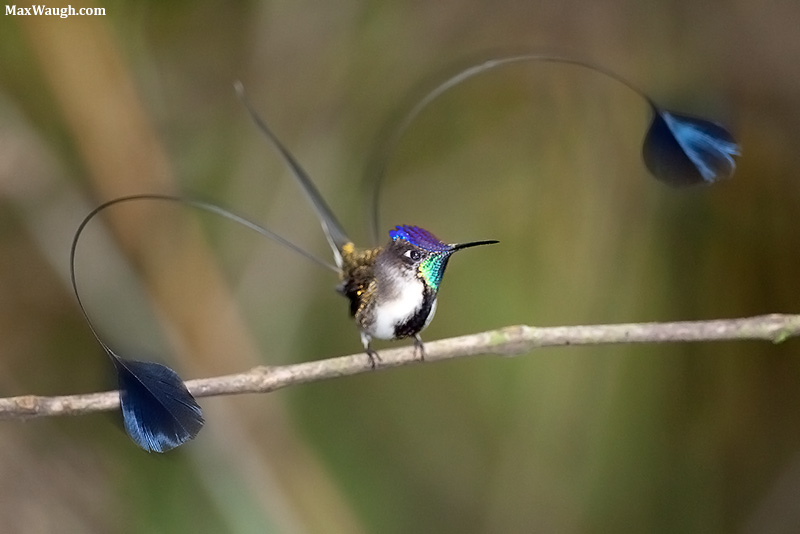
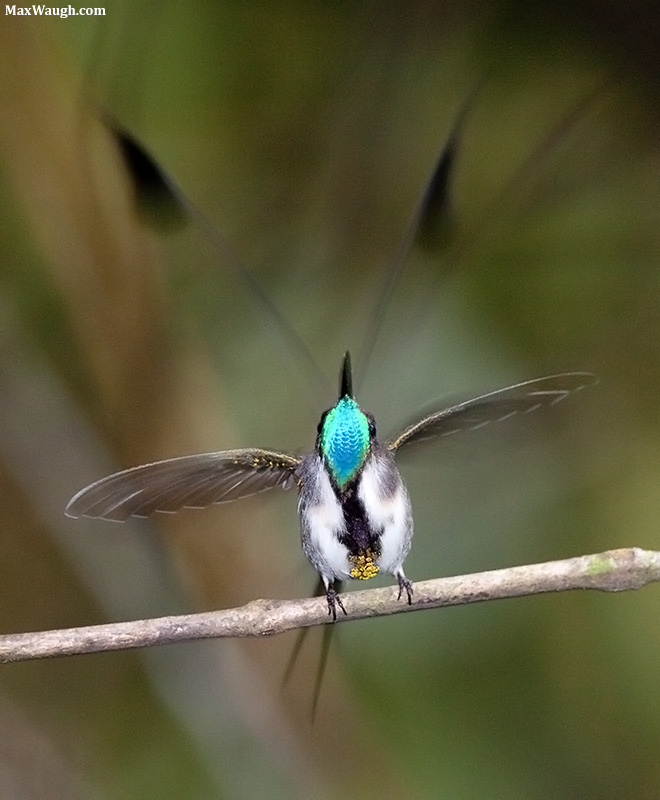
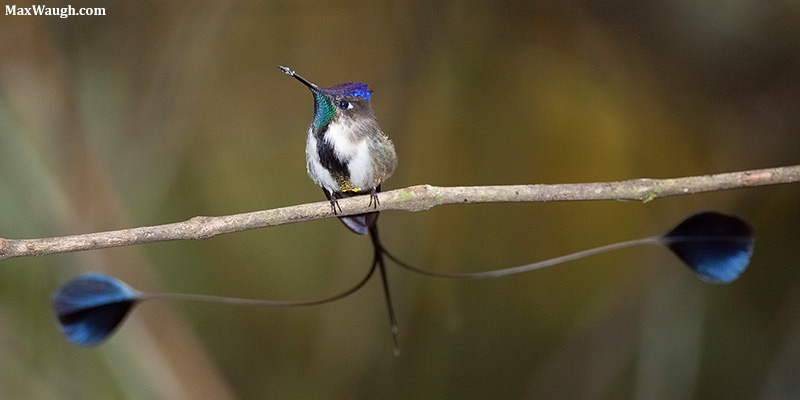
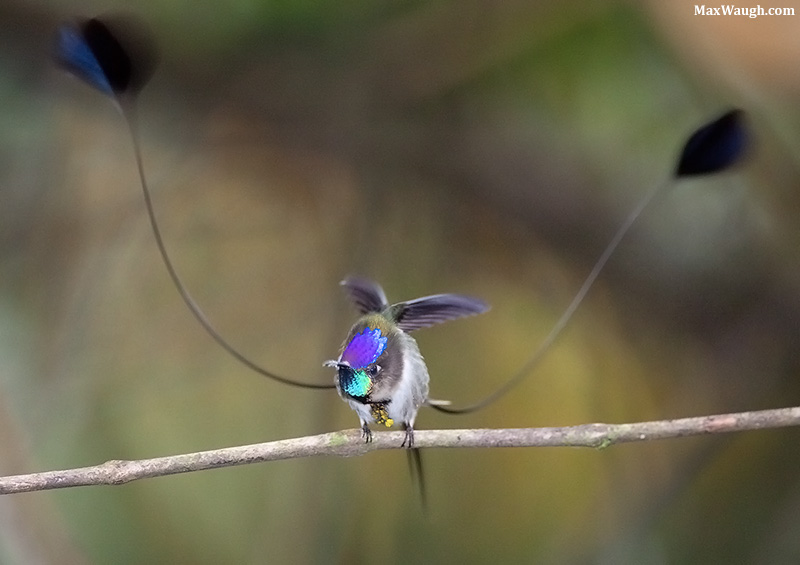
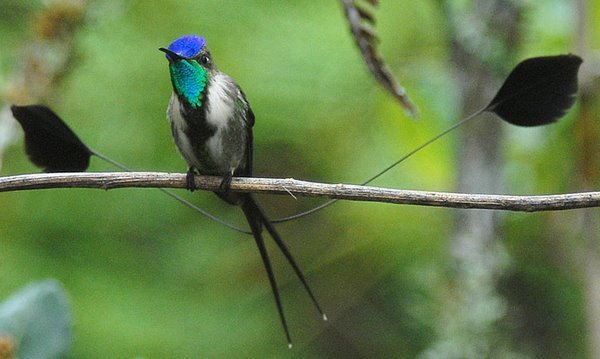
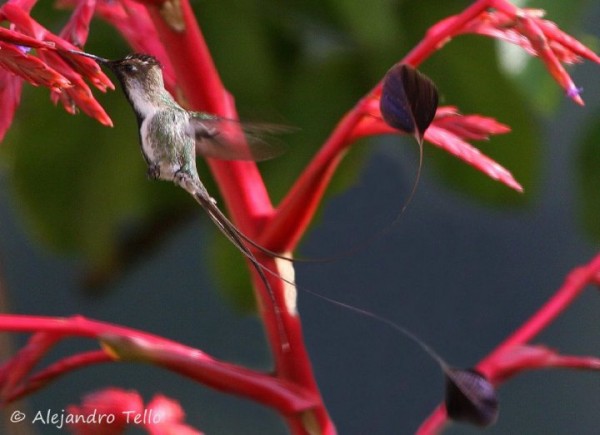
Marvelous Spatuletail


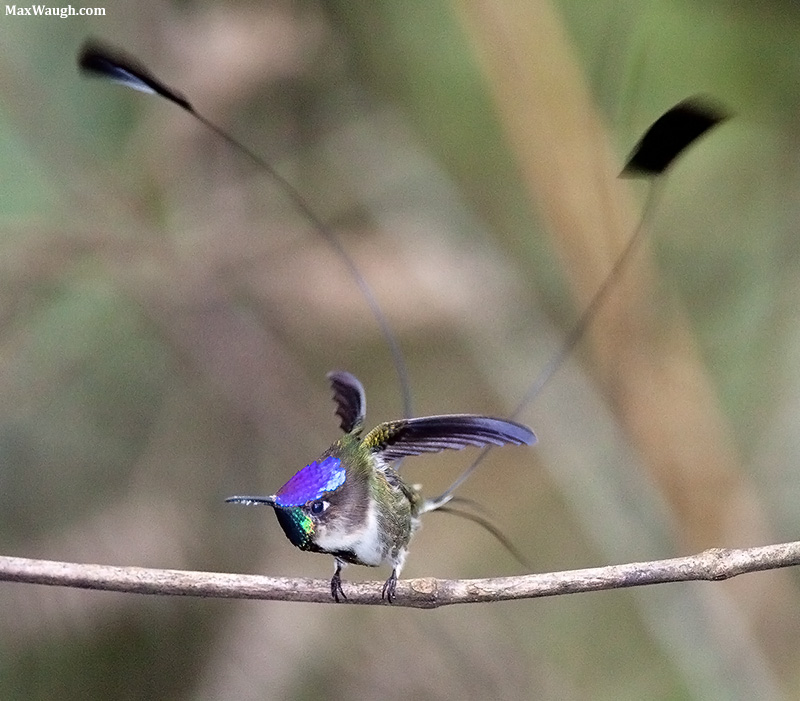
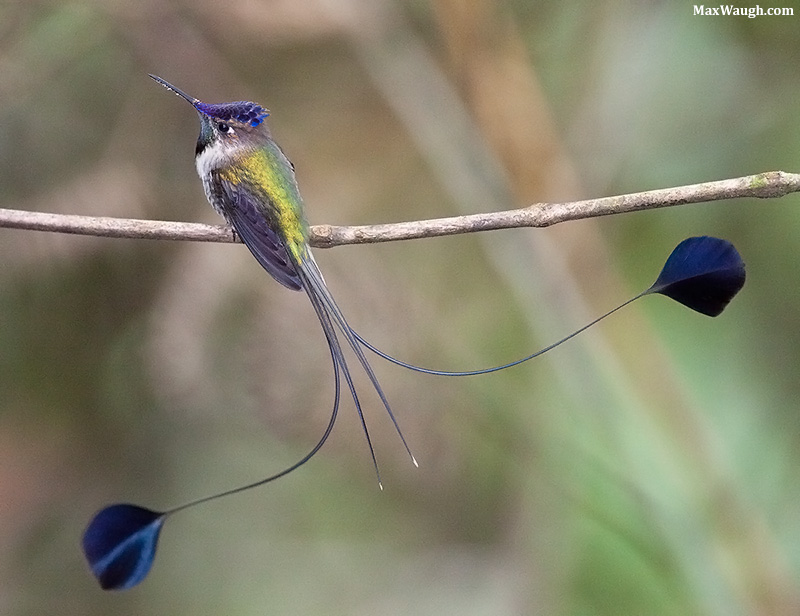
If I should choose just one hummingbird species in Peru this would be the one. It is the most spectacular Hummingbird in Peru. The male has long streamers ending in blue rackets. It may not yet be a large tourist attraction since it occurs only in Amazonas department and a bit off the beaten track for most general tourists coming to Peru, but it is certainly on the birdwatcher's radar on the Northern Birding Circuit and the principle attraction. Kolibri Expeditions has initiated a project here together with local farmer Santos Montenegro obtaining funds through our clients allowing Santos to buy some land from his neighbors. The idea is to turn the small reserve to a Hummingbird information center.

Chilean Flamingo

Chilean Flamingo
Flamingos are big tourist attractions all over the world, and the Chilean Flamingo in Peru is not an exception, especially since legend has that the flamingos San Martin saw in Paracas before leading the liberation from Spain, inspired to the design of the Peruvian flag. There is not a person in Peru, that is not familiar with this story. Unfortunately, many flamingo colonies are well off the beaten track, except that of wintering flamingos still present at the Paracas bay. One may hope however those remote flamingo colonies could be integrated in sustainable tourism packages and this way supply income to local communities at the same time protecting the colonies. The practice common is the past to scare the colony to take flight for a photograph, is fortunately no longer carried out. It seems to me that Peruvian awareness for the well being of the natural attractions has increased in recent years.

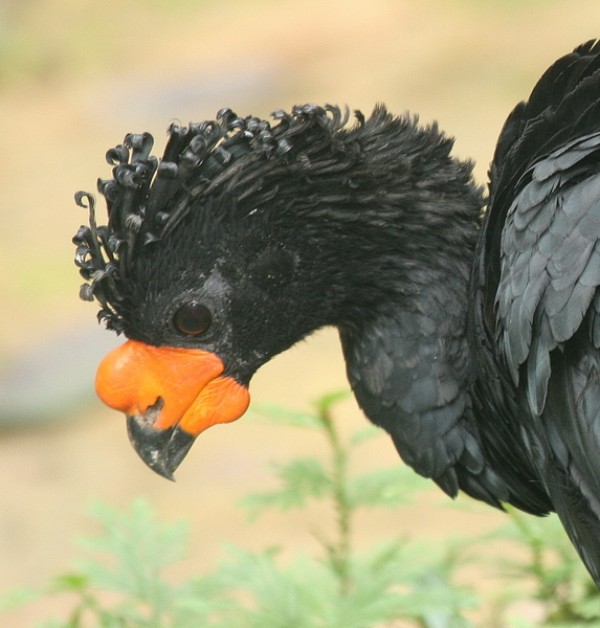
Hoatzin.

HoatzinWithout being a particularly rare bird, the Hoatzin inhabits lake sides. It prehistoric looks, similar to the Archaeopteryx and the fact that the young have claws in the wings, make it a tantalizing. The hisses it makes add to its pre-historic image. It occurs in colonies and is mostly not hunted because its meat is smelly and not good. It has constantly bad breath as its digest is completely leaves which are fermented in the crop. Hoatzin can be seen in many places in the Amazon. Most photogenic perhaps at Amazonia Lodge.

Humboldt Penguin

Humboldt PenguinParacas has been the traditional place where many tourists come in contact with the species for the first time while visiting the sea-lion colonies at Ballestas Islands. In recent years however trips have been arranged to sea-lion colony at Islas Palomino from Callao, Lima, where also the Penguins occur and this is a time effective alternative to Paracas. Recent studies show that Humboldt Penguins are very sensitive to disturbance - much more so - than its close relative Magellanic Penguin that occurs in Patagonia and with colonies that attracts tens of thousands of visitors. Fortunately, there are no colonies in Peru that are accessible to tourists to walk around in. The large colony at Punta San Juan near Nazca is closed to the public.

Other places where one can see Humboldt Penguin include Pucusana and the new San Fernando reserve close to Nazca.

Torrent Duck

Torrent Duck. Photo: Alex DuranA highly dimorphic beautiful duck specialized living its life in streaming water and fascinating to watch. One of the best place to see them is at Aguas Calientes below Machu Picchu. In fact, they can often be seen looking out the window from the train to Machu Picchu.

Waved Albatross

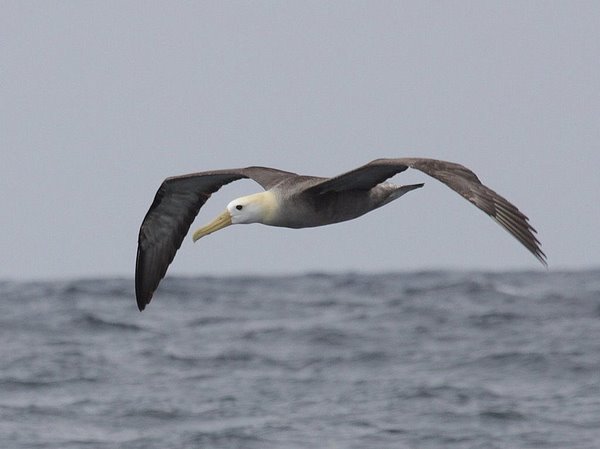
Waved AlbatrossIn spite of being a bird breeding on the Galapagos, practically all individuals of the species will spend considerable time in Peruvian Waters in its lifetime when not breeding. The pelagic birdwatching and whale-watching trips from Lima has made it possible for larger numbers of people to see an albatross at relative ease. Waved Albatross is critically threatened due to high adult mortality in recent years. In spite of being one of the smaller albatrosses, with 2.30m wingspan it is still impressive and a highlight for anyone venturing to sea to see it.

This article was brought to you by Kolibri Expeditions.  Kolibri Expeditions runs tours everywhere in Peru and can take you to all these birds, providing a full-fledged birding holiday or a holiday to culture and nature on a more general level.

Photos by license of creative commons: Ogwen (Condor), Species snob (Chilean Flamingo), Olliethebastard (Hoatzin), and Inca Tern close up by Suneko
Special thanks to Tim Ryan of The faraway, nearby blog, for letting me use his Macaw pictures from Tambopata. All other pictures by Gunnar Engblom and Alex Duran (Rufous-crested Coquette and Torrent Duck). GE´s and AD´s pictures may be used under creative commons license. Link and acknowledge this page. Thanks.
Google Buzz

Popularity: 52% [?]

{ 38 comments }

Social Media for birders - start January 10

Hi and thanks for the visit. If you're new here you may want to subscribe to my feed.

Powered by Twitter Tools

Google Buzz

Popularity: 2% [?]

{ 0 comments }

Kolibri August Newsletter

by Gunnar Engblom on August 27, 2010

Social Media for birders - start January 10

Hi and thanks for the visit. If you're new here you may want to subscribe to my feed.

Kolibri News

The Kolibri Expeditions News has already reached our logo Kolibri August Newsletter subscribers. Here is an extended version for you on line. Nevertheless, the newsletter is quite short this time and contains several special offers for the remainder of 2010 and 2011. Don't forget to subscribe to our newsletter, not to miss any important information.

British Birdwatching Fair 2010

Virtual BirdFair Kolibri August Newsletter If you happened to be at the British Birdwatching Fair and looked for me, you looked in vain. I could not go this time. In fact, in spite of it surely being a great social event, it seems a bit silly to use as a sales point. The cost to participate is high, when you add up the fees, the flight and the material one need to produce. Then consider the enormous amount of trees used to produce all those broschures and the fuel used to transport both exhibitors - across the globe - as well as visitors. What was that about global warming and the clearcutting of the forests again? Why not make a Virtual Birdfair on line instead? So I blogged about it on this link. See what you think!

Considering all the money I saved not going to the birdfair, I figured I could do some special offers instead to you and your friends. If you scroll down to the bottom you shall find the time limited Special offers. The offers are valid only to Sep 5.

Photo Safaris in Peru

Paracas%20Ica%20Per%C3%BA%20Alejandro%20Tello Kolibri August Newsletter Not all birders are listers, and when the photography becomes more important than the life-list, then hard-core birding and photography is not compatible. With the boom of digital photography and more and more people getting into birding via photography (and the other way around as well), we want to offer a new set of tours for photographers and videographers only. Right now our collaborator Alejandro Tello (birdguide and photographer) is writing up new itineraries.  A few have been uploaded to the web-page. Some of these are still in Spanish but will be translated within the coming week. The prices will also be set next week.

Here is a sample itinerary from the Coast. If you are interested in photography, contact us

Satipo road and Carpish

Cock of the Rock - by Ruth. Apaya-Calabaza. Satipo roadAs you know I helped Rainforest Partner ship with the fundraising for Satipo road and the Pampa Hermosa area. Over $15000 was raised.  From September there shall be proper beds at Apaya-Calabaza and a working shower with hot water.  In December it is planned the building of a community lodge will start! To celebrate we are giving extreme discounts for the remaining trips this year. It is a good idea that the area is commercialized now and this way by the time the lodge is ready there will already be a lot of birding information amassed and a demand created.  You find the itinerary here.

New Budget Tambopata trip a smashing success.

unicolred blackbird Maldonado 2 Kolibri August Newsletter We just ran the new budget trip to Tambopata and Alex was a magician (again!).  He even managed to find a new species for Peru. Unicolored Blackbird - check that link! We have 5 trips coming up giving the great discount as mentioned above - time limited to Sep 5. On the first September 17 trip shall have a very interesting crew with myself, Alex (the magician), Rick Wright (from Wings and ABA) and young birder whiz Chris West plus two other clients. We have three spaces left only for $1180 including the flight from Lima. Don't wait too long.
If you can't make it on this one, you may come on the ones in October, November, December and January. This trip can be combined with Satipo road/Carpish and a Pelagic trip in between. Prior to the trip you may add a day at Machu Picchu and maybe a day at the Polylepis forest at Abra Malaga. The new budget trip you find here.

List price guarantee

The last offer is simply a pre-booking concept for 2011. We guarantee the list price based on groups of 7 people even if you are on your own on any trip. Read more on the relevant blogpost here.

Pelagics

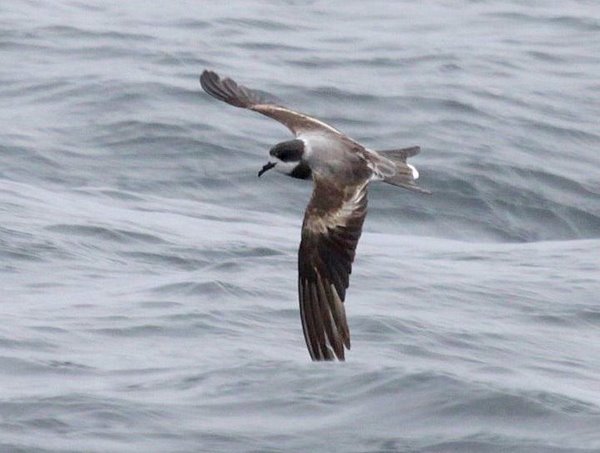
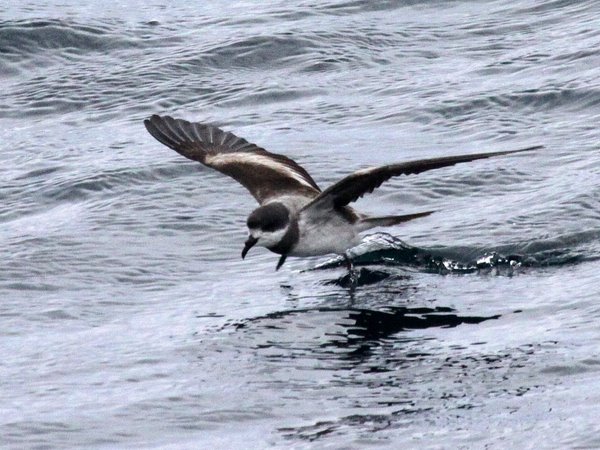
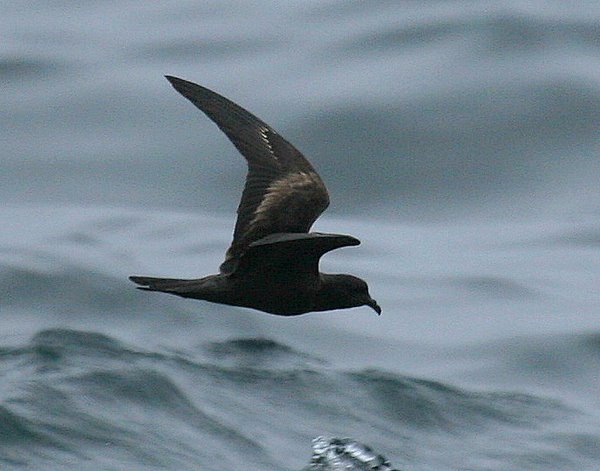
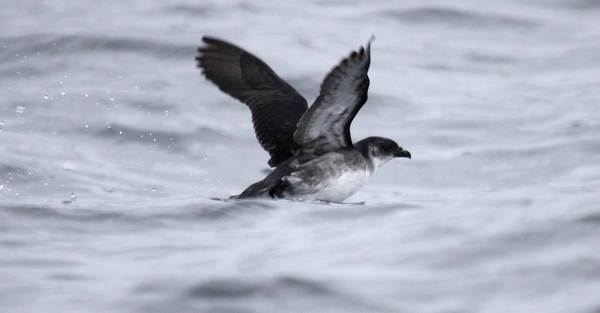
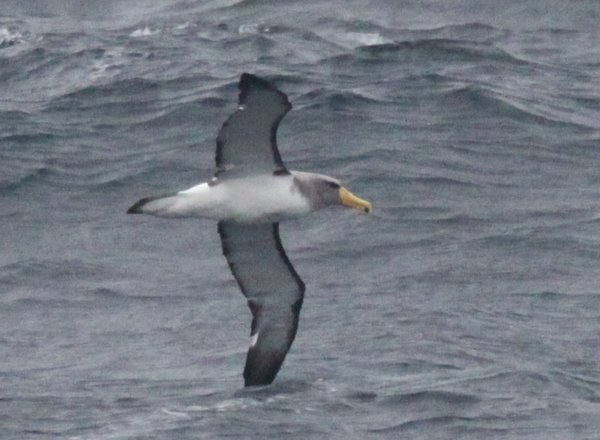
I also must mention some pelagics. We had the first confirmed Chatham Island Albatros last year, this year the first photographed Brown Booby and a month ago first confirmed Westland Petrel with photos.

Westland Petrel

More from the July 26 pelagic here.

We have finally found a boat which is faster than the one we have used previously. It is an open large speedboat (that usually take 30 passengers) for a maximum of 12 birders - and 4 staff equipped with 2 brand new 100hp Yahama outboard engines.  This new boat shall allow us for extended stay at deep waters if necessary and their is a wish to do so. Since the boat is faster and get back to shore earlier, it also allows for some birding on shore (there is an excellent shorebird locality nearby at Poza Arenillas).  On the downside, it is an open boat, which means that you may get sprayed upon in higher seas.

Larger groups will be managed with the comfortable Catamaran we have used in the past.

Upcoming confirmed pelagics

Here are the confirmed upcoming pelagics for the remainder of the season.

  • Sep 9  Speed boat
  • Sep 25  Speed boat - extended itinerary
  • Oct 2 Catamaran
  • Nov 13 boat to be determined
  • Nov 26

So many reasons to come to Peru now!!

Google Buzz

Popularity: 11% [?]

{ 0 comments }

Time-limited special offers

by Gunnar Engblom on August 27, 2010

Social Media for birders - start January 10

Hi and thanks for the visit. If you're new here you may want to subscribe to my feed.

Kolibri Expeditions time-limited special offers for 2010 and 2011.

Extended Special Offer

Since we could not participate in British Birdwatching Fair this year, I figured we needed to present some material anyway for this time, so I ran a campaign for three days with special offers for a limited time period. One offer per day were presented between Aug 20-22, valid between Aug 20-29 Sep 5.  These offers originally appeared in my post about creating a Virtual Birdfair.  We now offer an extra week to take advantage of these great offers - until Sep 5.  Both time and space are limited.

SALE ONE / Tambopata

We have four departures with special price to the tour to SE Peru Tambopata rainforest and the lodge project of the Durand brothers. I say under construction so I do mean it is very basic, but then again - it is well possible to bird at the site and then go back to sleep in Maldonado at night - to come out again the following morning - for a small surcharge. The 8 day trip in October, December 2010 and January 2011 is only US$1180 (£760) including the flight from Lima to Cusco and return. The trip hosted by high demand Moth expert Seabrooke in November is US$1330. This price is held regardless of the number of participants on the tour. The normal price starts at US$1552 (£999). Young birders up to 25 pay only US$695 (£450) (excluding internal flight). The offer is only valid  until Sep 5!

SALE TWO Satipo road and Carpish

Following the successful fundraising in July by Rainforest Partnership from September there will be no camping on this trip as there will be proper beds in the School at Apaya on the Satipo road. The Satipo road and Carpish 8 day trip featuring Golden-backed Mountain-Tanager and Diademed Sandpiper-Plover in September, October, November, December and January 2011, for only US$999 (£640). Normal price starts at US$1212 (£780). Young birders up to 25 pay only US$695 (£450). The Sale is valid until  Sep 5 only!

SPECIAL OFFER THREE .

The last offer may actually be the best of all.
All Peru birding trips for 2011 on the Kolibri Expeditions web-page sell for list-price (which usually involves 7 people for that price) no matter how many people book. If no other people book, you will still enjoy list price (although you would have to pay for a single room). So why is this such a good deal? Isn't going to be list price anyway, by the time the trip runs?
Possibly, but you get to set the dates and have a price guarantee. Most of our departures are run below max number of passengers which could mean a surcharge for you. You are also protected against sudden price increases. The Kolibri Expeditions list prices are among the lowest in the market, but our guides are among the best in Peru. I have said it before and say it again: Why pay More? Why see Less?

Check out all the Peru trips on this link

Kolibri Expeditions birding tours in Peru

At the top of this page the tours are organized in geographical regions to help you find a tour. Then follows an intent to group the trips into different type of birders and styles of birding. Finally all the possible trips are listed. We are sure you will be overwhelmed, so send us a mail (kolibriexp@gmail.com) with your time limit, a description of yourself and what type of birding you enjoy and which areas or species you are most interested in seeing.

You only have until Sep 5  to decide which trips you want to do in 2011 and until Sep 7 to pay 20% (minimum 700 dollars) of the total fee to activate your booking and secure the list price.

The moment you decide for a tour and a date, that same tour will appear on our tour calendar, which will make it easier for others to find the same tour. It is also possible to specify in the tour calendar what type of birding you enjoy - so that others signing up for the same trip will have similar qualifications (for example specify id you want a hardcore birding with as many species as possible, or if you enjoy photographing birds, or a program with birding and visiting several archeological site.)

Google Buzz

Popularity: 5% [?]

{ 0 comments }

New bird for Peru

by Gunnar Engblom on August 23, 2010

Social Media for birders - start January 10

Hi and thanks for the visit. If you're new here you may want to subscribe to my feed.

Unicolored Blackbird Agelaius cyanopus - First for Peru

Unicolored Blackbird, female Tres Chimbadas, Tambopata. New for Peru. Photo Alex Duran

Unicolored Blackbird Tres Chimbadas, Tambopata. First for Peru. Photo Alex Duran

Alex Duran found a new species for Peru last week at Laguna Tres Chimbadas in the Tambopata area close. Two individuals were seen the one that was not photographed was possibly an immature, as it was a bit darker. As one enters Tres Chimbadas with canoe the birds were seen almost immediately in a low wet grassy pastizal.

Alex took two photographs with a handheld point and shoot camera through the Telescope - in the woobly canoe!

Fabrice Schmitt told me three weeks that he had found what he thinks was a fem/imm Unicolored Blackbird in Cocha Blanco in the Manu area. Some poor pictures were taken, but according to reviewers of Fabrice's pictures they are not conclusive. It is the nominate ssp of Unicolored Blackbird Agelaius cyanopus normally occuring in Bolivia that was found here.

Unicolored Blackbird Agelaius cyanopus, female dorsal view Tres Chimbadas, Tambopata. New for Peru. Photo Alex Duran

Google Buzz

Popularity: 28% [?]

{ 4 comments }

Social Media for birders - start January 10

Hi and thanks for the visit. If you're new here you may want to subscribe to my feed.

Powered by Twitter Tools

Google Buzz

Popularity: 3% [?]

{ 0 comments }

Virtual British Birdwatching Fair 2010.

August 23, 2010 Kolibri Expeditions news

Who needs the British Birdfair? Kolibri Expeditions presents a time limited sale online!
The British Birdwatching Fair has come to a conclusion and people will draw back to their burrows in the gloomy autumn and the winter dark, to study itineraries in the expensive (to produce) colorful birding trip catalogues. Would it not make sense to have all this info presented at the BirdFair on-line instead - on an online virtual birdfair?

View Comments Read the full article →

Gunnar’s weekly Twitter links about birding, birds and Social Media 2010-08-16

August 16, 2010 Twitter summeries

Share 10000birds: James Delingpole parody? http://bit.ly/aqkbW9 # RT @PatBumstead Moth Diaries: As regular readers of my Marsh Diaries posts will know, I’ve been having a very moth... http://bit.ly/95Jj5e # RT @Dendroica Cicada Killer: When I stopped to eat lunch and Jamaica Bay's picnic pavilion, I saw what I thought w... http://bit.ly/ba2Wb1 # 10000birds: More birds [...]

View Comments Read the full article →

Gunnar’s weekly Twitter links about birding, birds and Social Media 2010-08-09

August 9, 2010 Twitter summeries

Share 10000birds: Broome Bird Observatory http://bit.ly/bD4Aom # RT @PatBumstead Marsh Diaries Part 13: This was the first lake weekend that we had rain. Sometime during Saturday ... http://bit.ly/d3zbfz # RT @Dendroica Local Geese, Native and Feral: The goose above should be recognizable to most readers as a Canada Go... http://bit.ly/aGjB0C # RT @DawnFine BwBTC outing [...]

View Comments Read the full article →

Gunnar’s weekly Twitter links about birding, birds and Social Media 2010-08-02

August 2, 2010 Twitter summeries

Share 10000birds: Protection starts at home… http://bit.ly/dmiH0F # RT @PatBumstead Marsh Diaries Part 12: Summer has truly arrived on the prairies. Things are slowing down, the temp... http://bit.ly/a5aC2T # RT @Dendroica Alarm Systems Switched Off on the Deepwater Horizon Rig: According to testimony given during the Con... http://bit.ly/dxGlTN # RT @lkamms A “Family” Dinner at [...]

View Comments Read the full article →

Satipo road – last chance – last post

July 29, 2010 Conservation and Sustainable development

Share Future birders on Satipo road The kids at the school at Apaya-Calabaza had a painting contest. Here are the winning items. You can easily tell that these kids are fascinated with nature. In the village sling-shots are now prohibited and not sold in the store. This is the place for the future lodge that [...]

View Comments Read the full article →